


World Food Equipment logo, walk-in coolers and freezers, Ontario
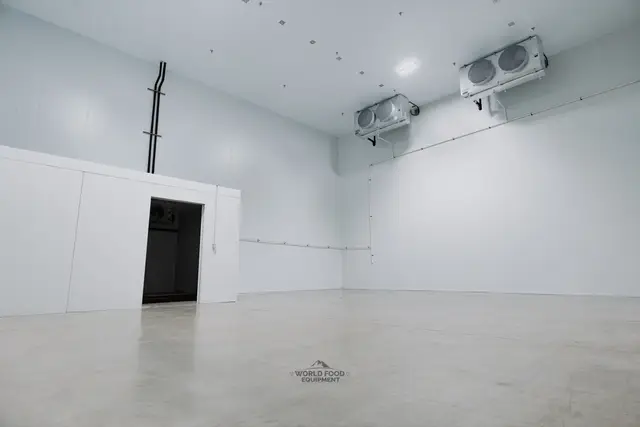
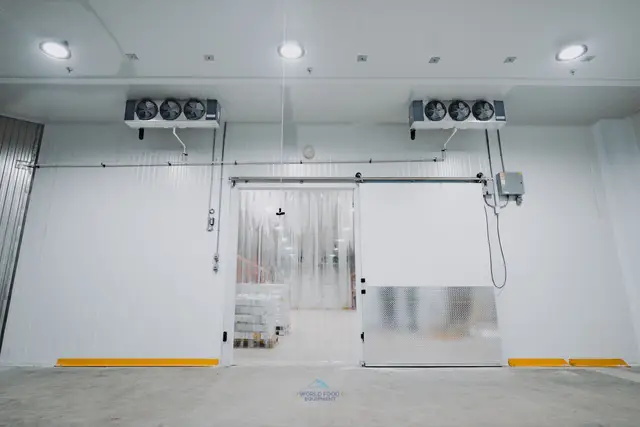
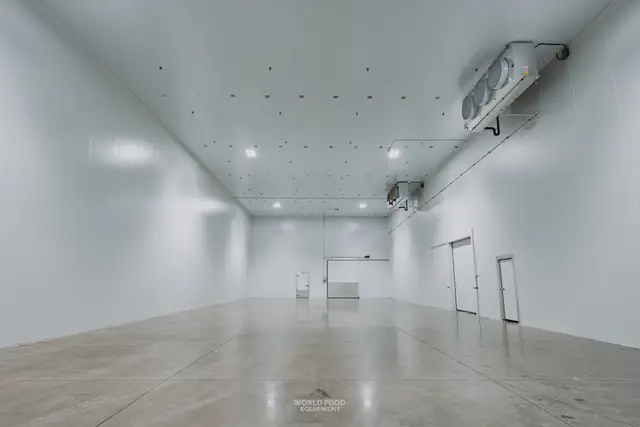
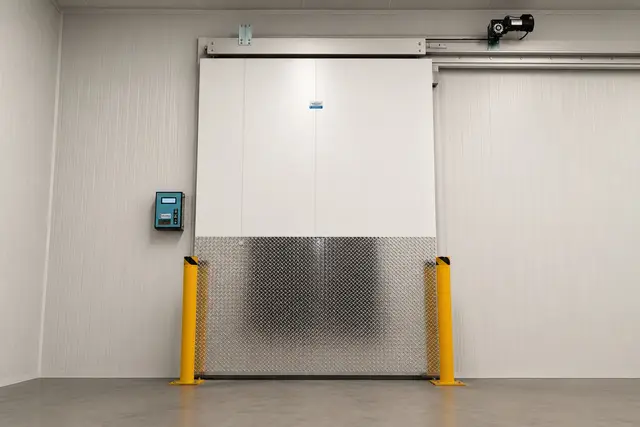
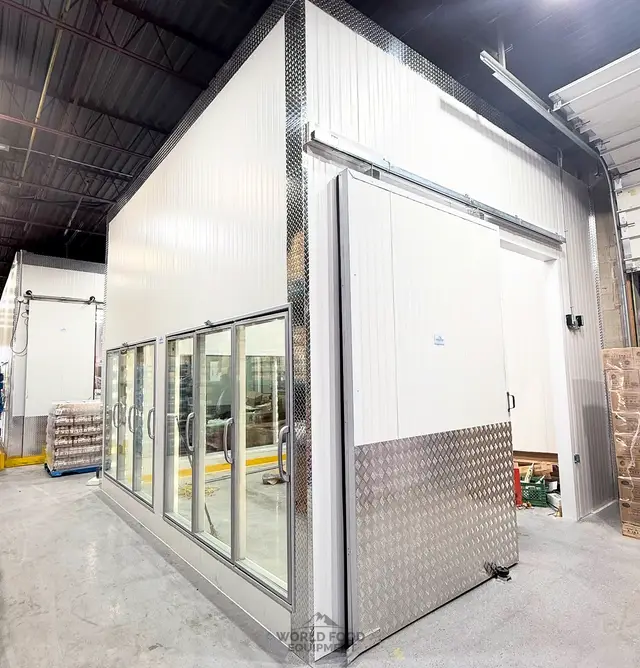
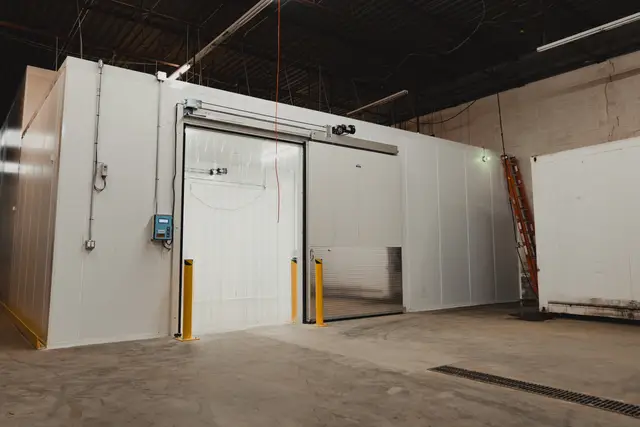
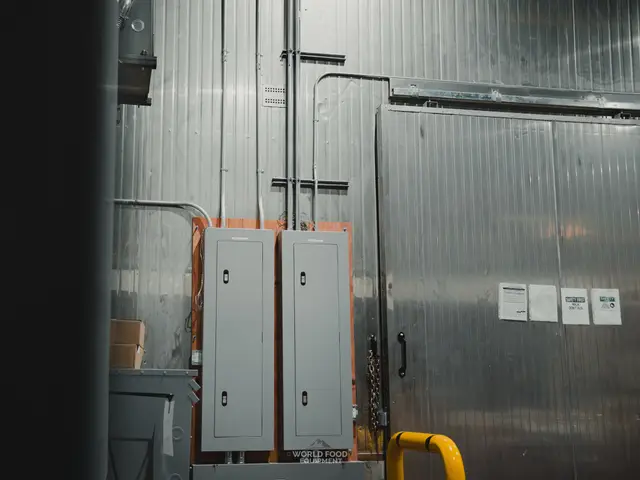
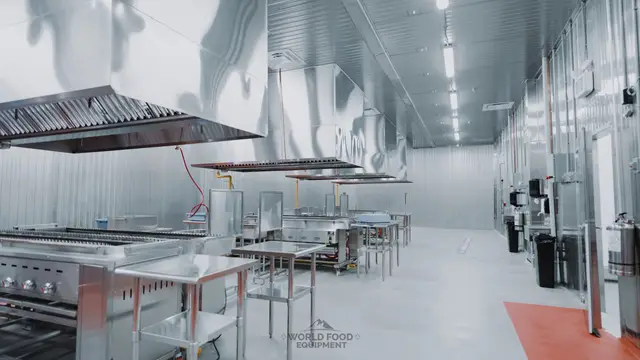
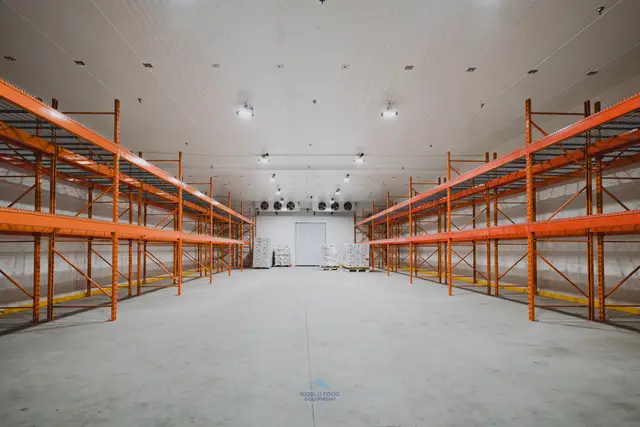
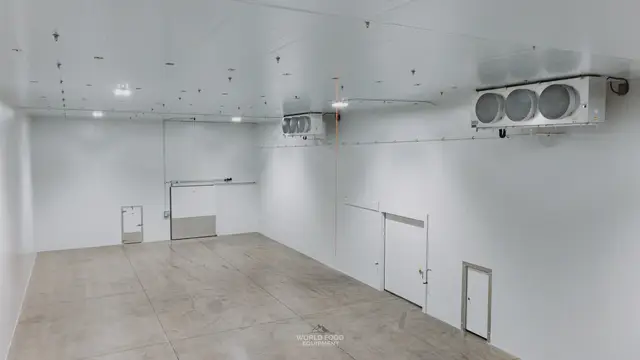
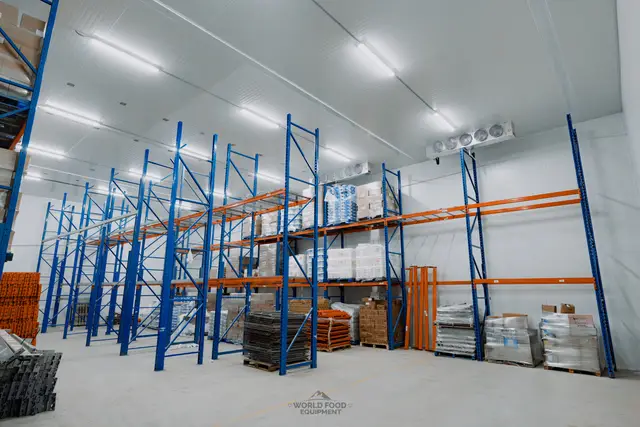
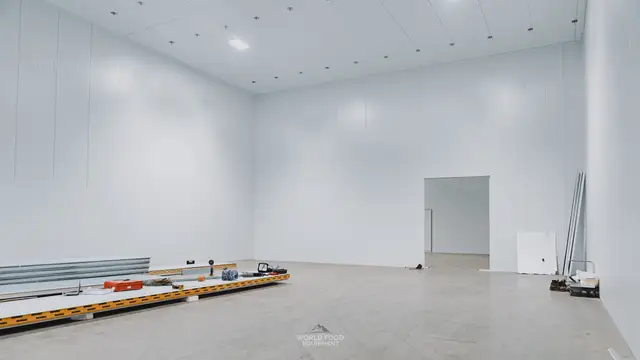
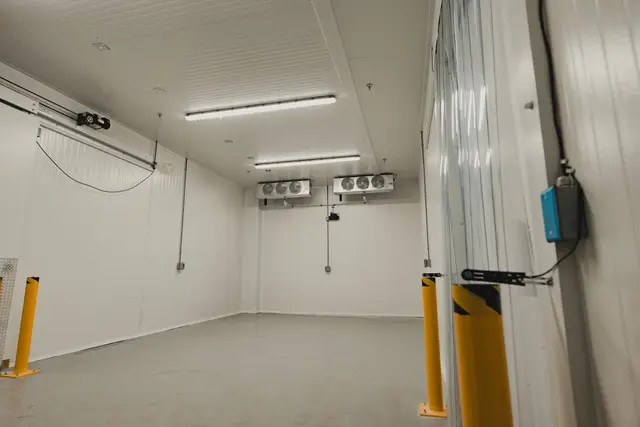
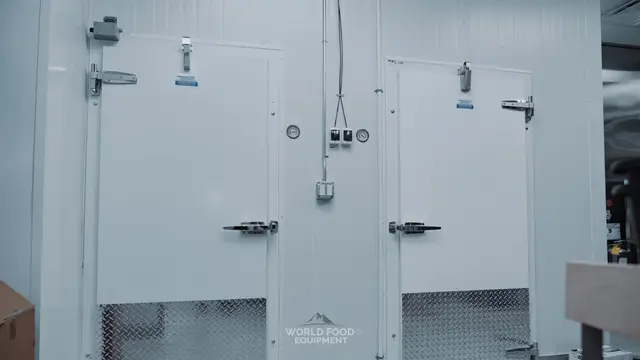
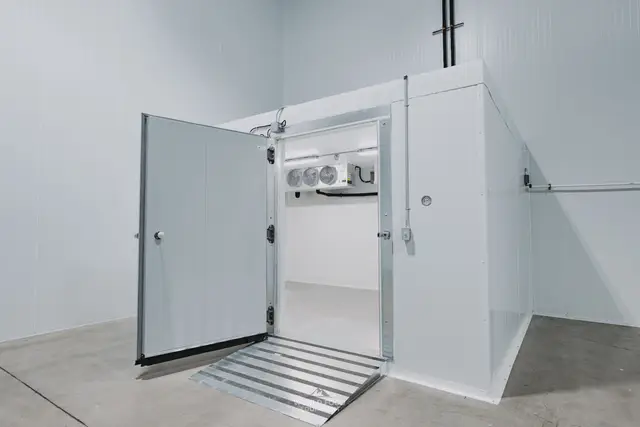
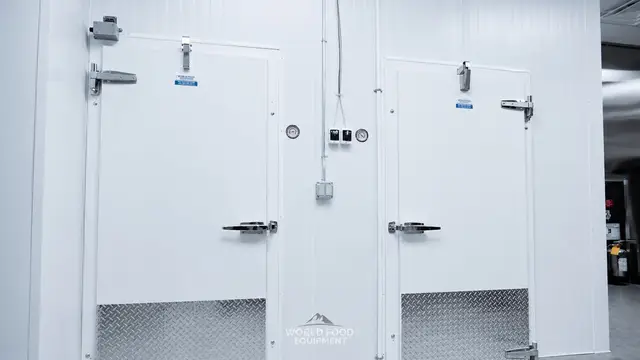
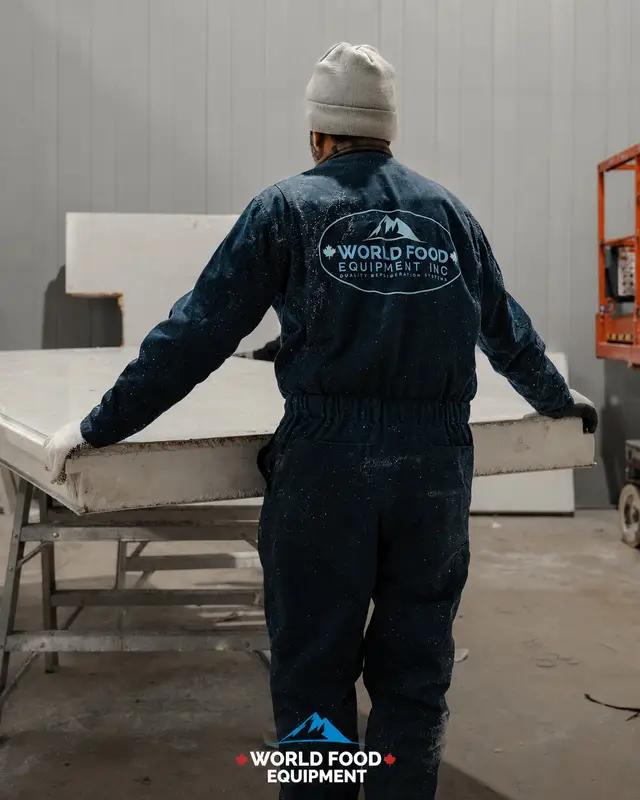
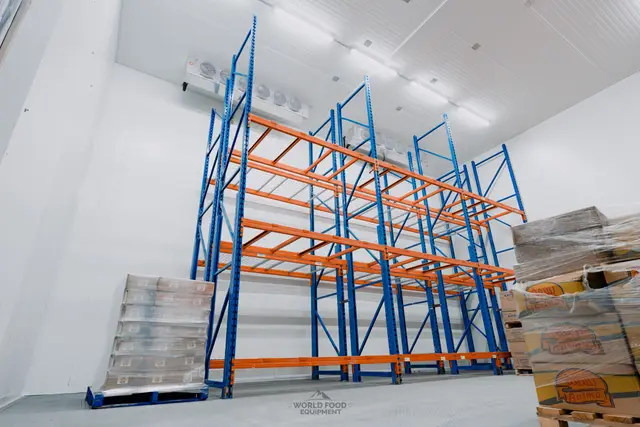
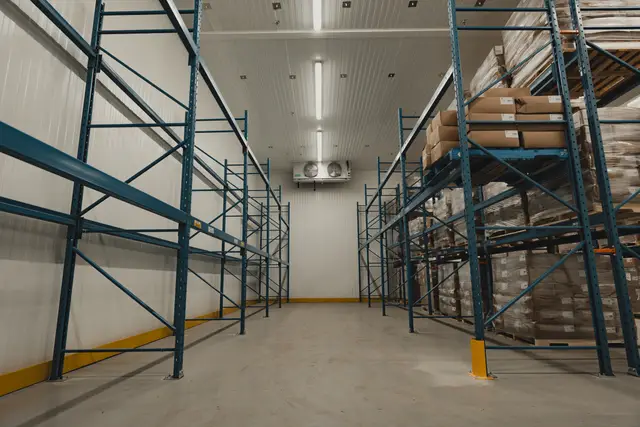
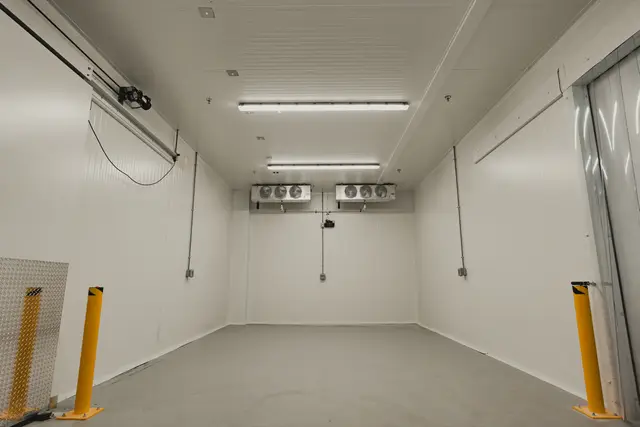
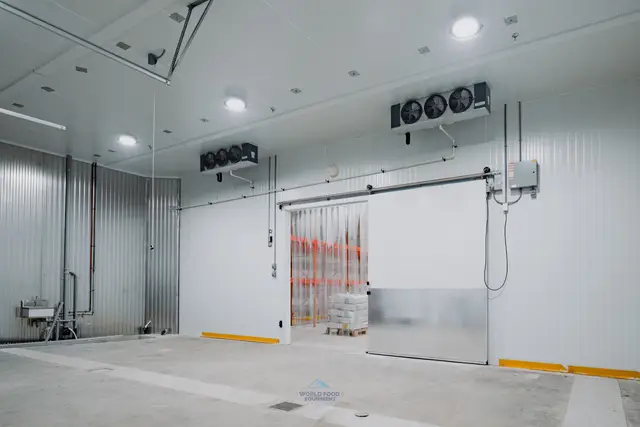
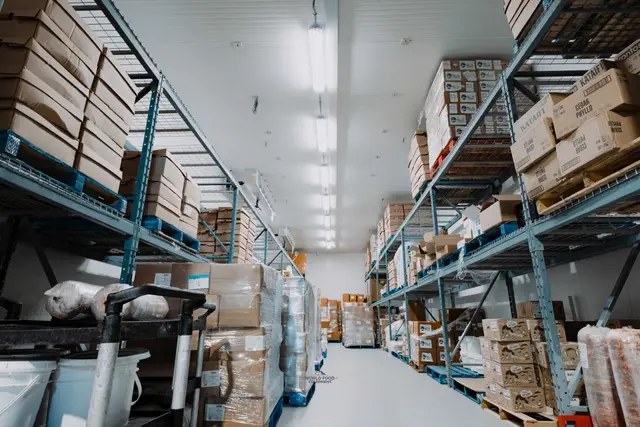
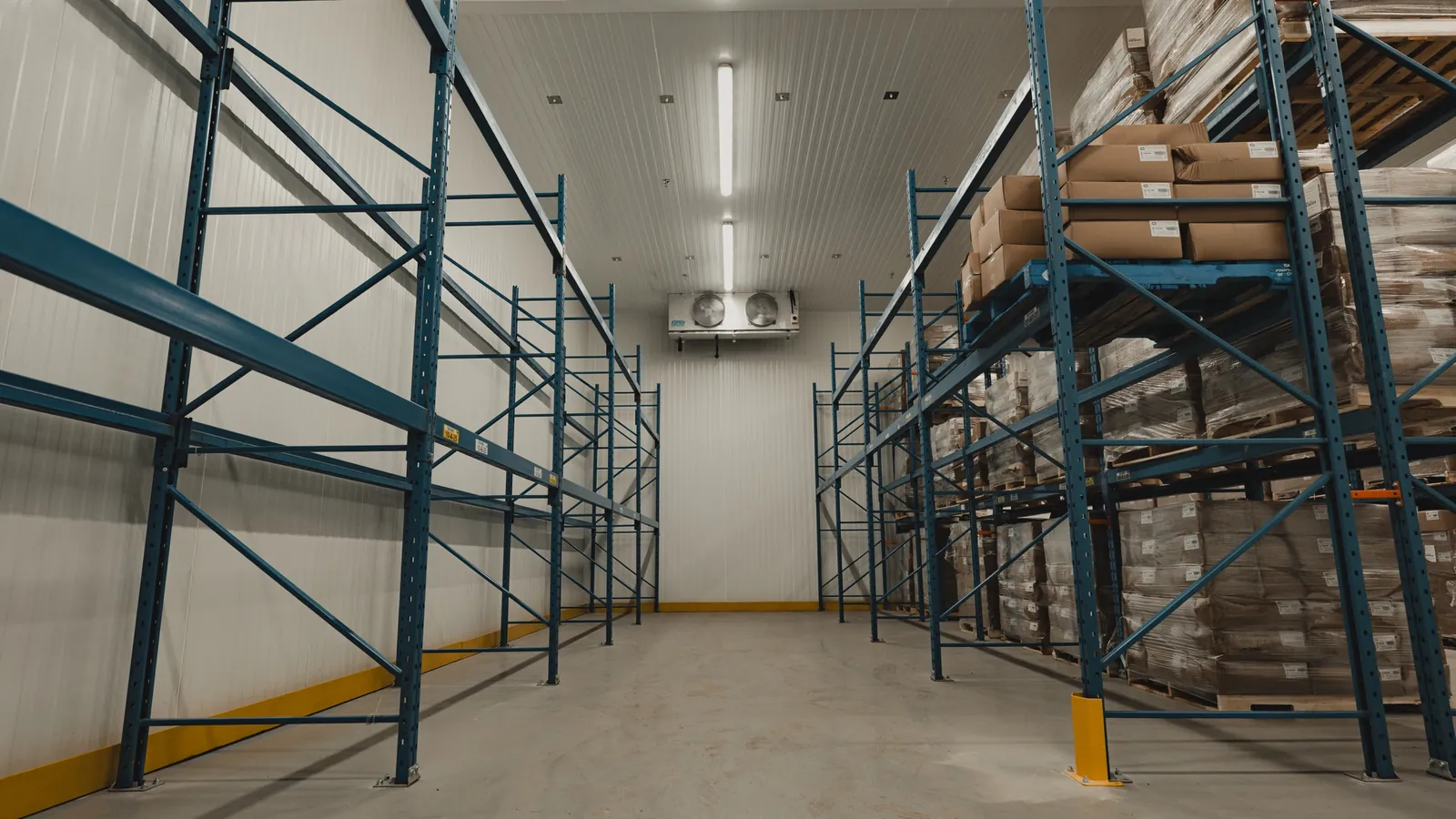
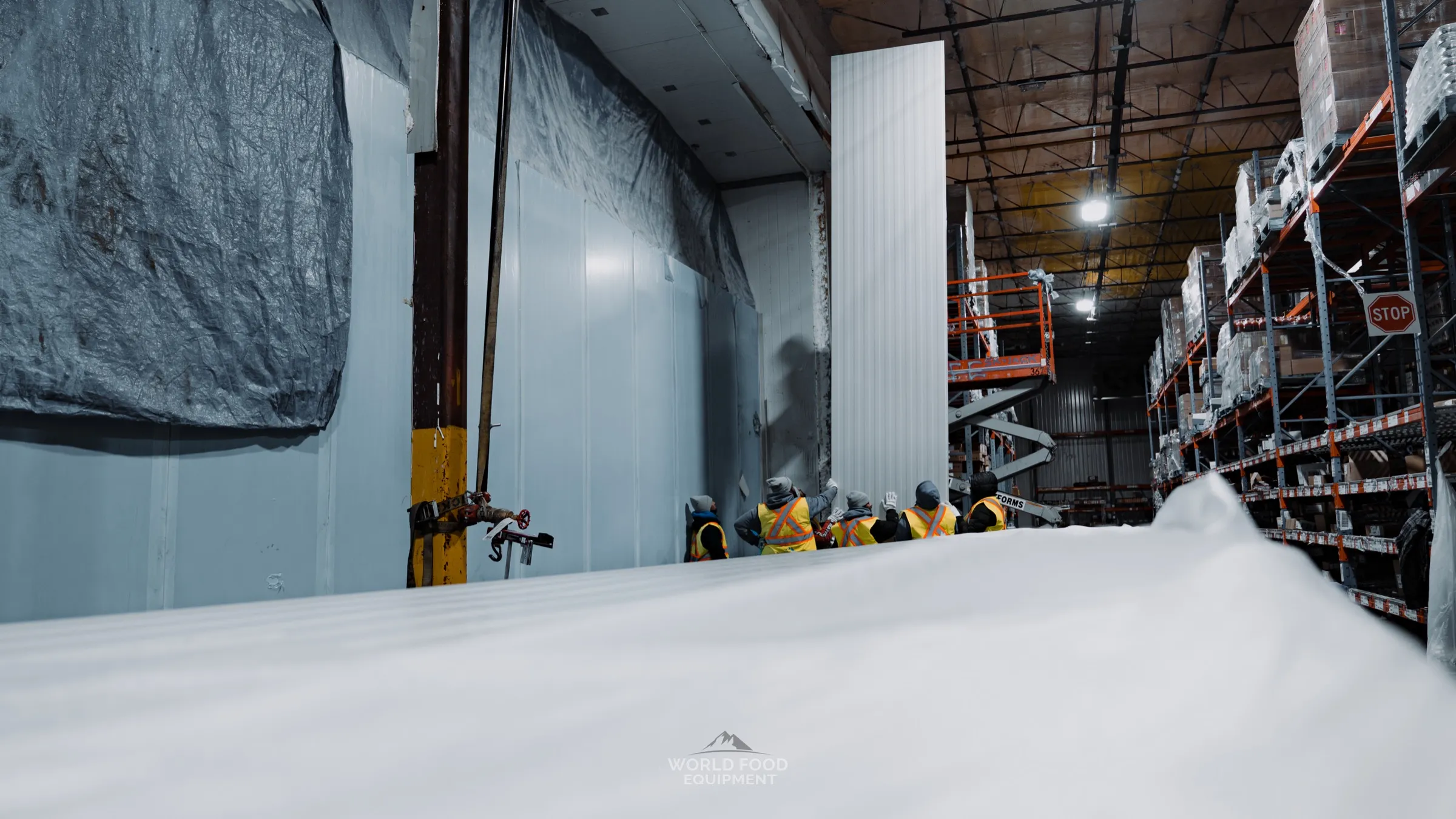
Interior of a finished walk-in cooler at CJR Grocers — an independent Ontario grocer install by World Food Equipment. Insulated panel envelope, sealed-seam floor, stainless cam-locking handles on the cold-room door, the kind of multi-zone grocery refrigeration WFE builds for independent and ethnic-market operators

Market / Grocery & Retail

Walk-in coolers & freezers for Ontario grocers.

Grocery and supermarket refrigeration across Ontario: multi-zone walk-in coolers, grocery store freezers, and produce coolers, plus cold storage for convenience stores. Backroom storage sized to your delivery cadence and your category mix. Refrigeration spec'd for the door cycling your operation actually does, not what the catalogue assumes.

Built for
300–800 door cycles
per shift
Zoned for
Produce · Dairy · Meat
Frozen, independent setpoints
Compliant with
CFIA · OFPR · NSF
Public Health, first try
30+
Years in Ontario
Est. 1995
10,000+
Walk-ins supplied & installed
Independents to chains
5.0
Google reviews
40+ from operators
313A
Licensed techs
Refrigeration trade
CFIA/OFPR
Spec'd & compliant
Public Health–ready

Fig. 01 · Thermal section

Four product
categories.
Four climates.

A grocery walk-in isn't one cold box. It's four climates sharing a building envelope, each zone on its own setpoint, humidity target, and door-cycle profile.

Read left to right  coldest to warmest. Numbers shown are mid-range; your build is sized to your category mix.

−10°FFreezer
Ice cream, frozen meat, frozen prepared meals, pastry doughs, the grocery store freezer SKU mix.
30°FMeat & seafood
Fresh beef, pork, poultry, halal cuts, seafood, deli proteins.
36°FDairy & deli
Milk, cheese, yogurt, eggs, butter, juice, packaged deli.
41°FProduce
Leafy greens, root vegetables, berries, citrus, fresh herbs, the high-humidity produce cooler zone.

Why we build it this way

Independent setpoints
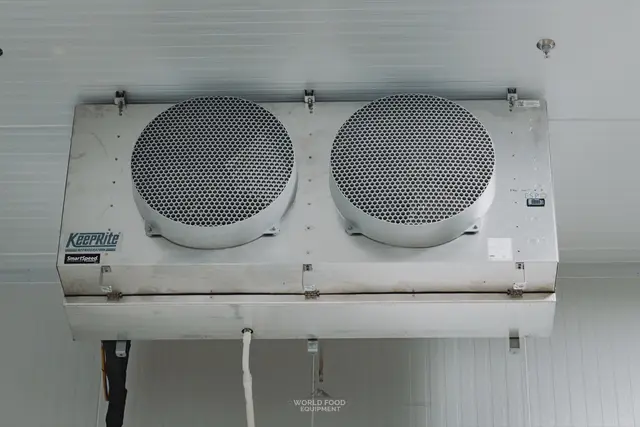
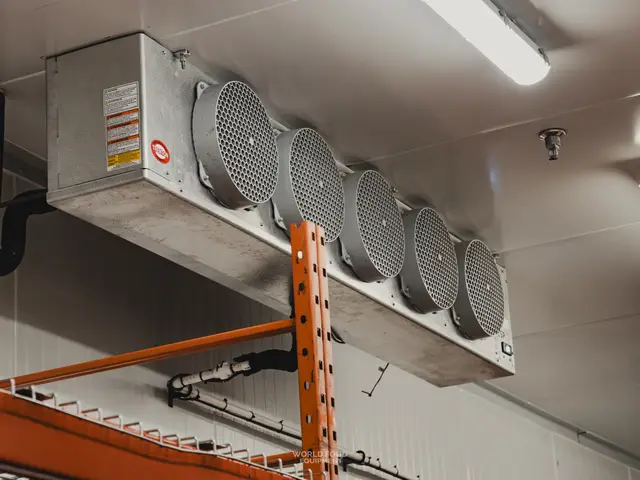
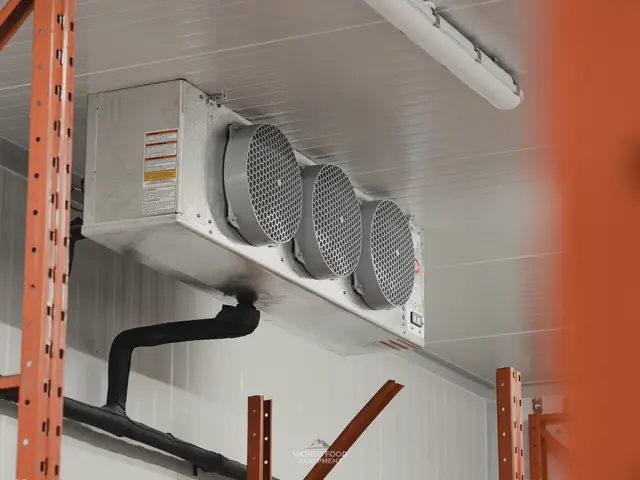
Each zone runs its own evaporator and controller. Produce humidity won't freeze meat; freezer cycles won't dry out dairy.
Sized for door traffic
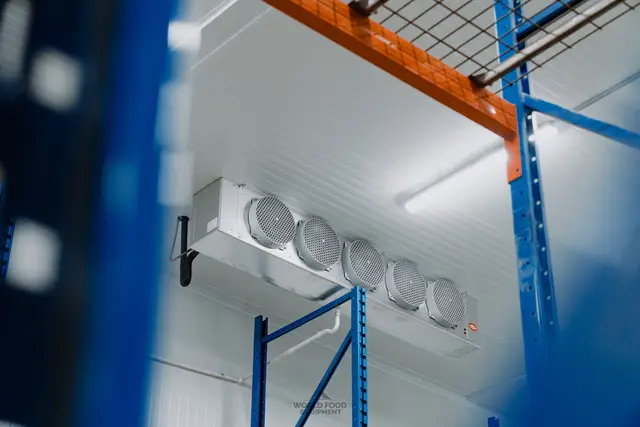
Grocery doors cycle hundreds of times a shift. Condensers are oversized for sustained cycling, not just baseline cooling.
Heavy-duty hardware
Strip curtains and reinforced gaskets end to end. Standard residential gaskets fail in months at retail cycle counts.
Inspection-ready floors
NSF-certified, sealed-seam floors with centre drains per zone. Passes Ontario Public Health on first inspection.

Fig. 02 · Build profiles

Three operator
types.
Three builds.

The thermal spec is shared across grocery formats. The assembly isn't. We build all three.

01 · Independent 4–8k sq ft

Independent grocers & ethnic markets

One building envelope, multiple internal zones. Lowest footprint and capex. The supermarket fridge and grocery refrigerator build most independent and ethnic-market operators actually need.

One shared envelope 3 internal zones
Produce
41°F
10×16 ft
Dairy
36°F
8×12 ft
Freezer
−10°F
8×12 ft
Zones
3 internal
Refrigeration
Remote · 1 unit
Best for
Tight backroom
Lead time
5–8 weeks
Get sized for an independent build →
02 · Supermarket 15–60k sq ft

Supermarkets & chain grocery

Separate walk-ins per category around a central refrigeration rack: the supermarket refrigerator and freezer footprint at chain scale. Full supermarket refrigeration installation coordinated with the architect of record, GC, and refrigeration rack designer. Per-store on a chain rollout timeline.

Four separate walk-in rooms
Produce
41°F
Meat
30°F
Dairy
36°F
Freezer
−10°F
Central refrigeration rack
One system · powers all four rooms
All four rooms run off one shared refrigeration rack, like a single furnace heating four rooms of a house.
Zones
4+ separate
Refrigeration
Central rack
Coordination
AOR · GC · MEP
Lead time
10–16 weeks
Get scoped for a chain rollout →
03 · Convenience 800–4k sq ft

Convenience & variety stores

Single walk-in cooler for convenience store inventory (beer, dairy, soft drinks) usually paired with a small dedicated convenience store freezer for ice cream and frozen snacks. Glass-front convenience store fridge option for store-side product visibility. Fastest install in the lineup.

Self-contained 2 zones
Combo cooler
36°F · 8×16
Beer · Dairy · Pop
Freezer
−10°F · 6×8
Ice cream · Frozen
Glass-front reach-in option
Zones
2 (cool + freeze)
Refrigeration
Self-contained
Display option
Glass-front reach-in
Lead time
3–5 weeks
Get sized for a convenience store →

Fig. 03 · Regulatory envelope

Passes inspection
on the first walk.

Grocery walk-ins handling ready-to-eat product fall under Ontario Public Health. Federally registered meat, dairy, and poultry operations also fall under CFIA. WFE files the electrical and refrigeration permits, schedules the inspection, and meets the inspector on site.

A · PROVINCIAL
Ontario Food Premises Regulation
Current OFPR setpoint, sanitation, and structural requirements. We spec to the version in force, not last cycle's.
B · FEDERAL
CFIA-registered operations
Federal meat, dairy, poultry handlers. Cut-room separation, RTE buffer, and inspection-room provisioning where applicable.
C · MATERIALS
NSF-certified panels & floor
NSF/ANSI 7 walk-in panels, sealed-seam or floorless installation, accurate thermometer placement at the warmest cabinet point.
D · GUIDANCE
Health Canada separation
Raw meat separation from ready-to-eat storage per Health Canada guidance. Zone layouts reviewed against your menu plan.

Fig. 04 · Field reference

Real installs.
Real grocery operators.

From independent ethnic markets to multi-location chains, halal butchers to convenience pairings.

★★★★★
"When it comes to World Food, they mean business. Best cooling solution for my commercial property. Best prices, best service, & best quality."
SB
Scnthuran Bala
Verified Google review
a year ago
Recent + ongoing grocery installs
CJR GrocersLongo's · decommissioning35 SiltonIndependent ethnic marketsHalal butcher + meat shopsSpecialty dairy + cheese retailersAsian grocery operatorsBakery wholesale + retailConvenience + variety storesMulti-location grocery chains
See all installations

Deep Dive

More on grocery refrigeration, multi-zone sizing & compliance.

Expand any section for the engineering, sizing, and Ontario compliance detail behind a grocery walk-in build.

Display case integration — sizing the walk-in against your floor refrigeration

Your walk-in cooler is the back end of a system whose front end is your display refrigeration. We size walk-ins against your display capacity, replenishment cadence, and product category mix, so the backroom matches floor throughput instead of guessing at it.

High door-cycle operation — engineering for 300 to 800 opens per shift

Grocery walk-ins open 300 to 800 times per shift between receiving, restocking, and after-hours stocking crews. Standard residential gaskets shred in months. We spec heavy-duty hinges, strip curtains where appropriate, and oversized condensers so the unit recovers fast after the morning produce pull without freezing product overnight.

Multi-zone cold storage — produce, dairy, meat, and freezer setpoints in one envelope

Produce, dairy, meat, and a separate grocery store freezer each want a different setpoint and humidity target. We build multi-room walk-ins with independent zone control in one building envelope on shared mechanical, one grocery store refrigeration system instead of four standalone units, at lower total cost.

After-hours stocking — remote monitoring and high-temp alarms

Grocery restocking runs 11pm to 6am with reduced supervision. We spec audible high-temp alarms, remote monitoring, and emergency lighting so a temperature drift surfaces before the overnight crew leaves.

Receiving-to-cooler workflow — door placement against your dock layout

Cold-chain product loses shelf life every minute it sits on the receiving dock. We design walk-in placement against your dock layout: door-to-door direct path for high-velocity SKUs, drive-in clearance for pallet-jack delivery, dock seals where the dock and walk-in share airspace.

Renovation without closing — phased installs around store hours

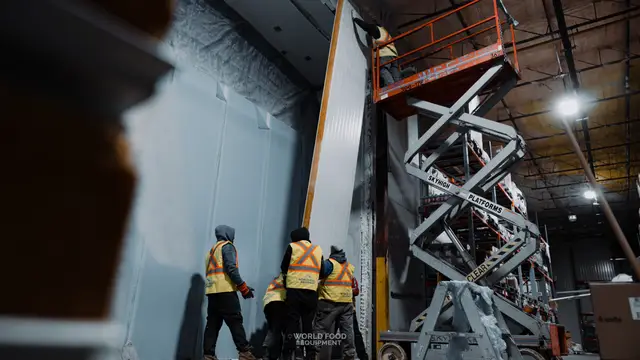
Most grocers can't shut the floor for a walk-in install, so we phase the work around store hours with overnight panel sets and weekend tie-ins, and stage a temporary refrigeration trailer if the existing unit fails mid-project.

Recommended setup for a 4,000 to 8,000 sq ft independent grocery or ethnic market

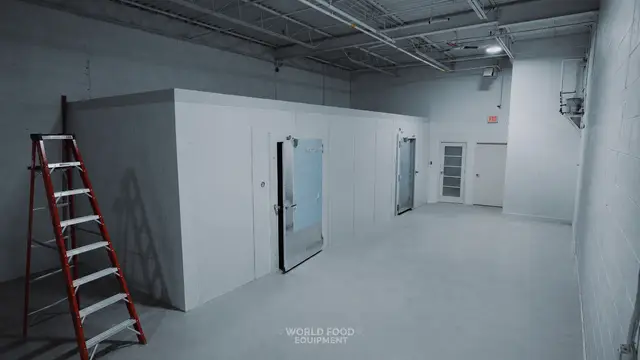
For a 4,000 to 8,000 sq ft independent grocery or ethnic market we build a 3-zone walk-in: a high-humidity produce cooler or produce chiller, a dairy/deli cooler, and a grocery store freezer in one building envelope. Remote condensing for noise and load, NSF-certified interior, sealed-seam floor with centre drains, heavy-duty gaskets and oversized condensers spec'd for door-cycle-heavy operation. Glass-front sections optional for FoH-visible product like a butcher counter or dry-aged beef.

Why grocery walk-ins need different refrigeration than restaurants

A restaurant walk-in holds prepped product in 2 to 3 day turnover with chaotic door cycling; a grocery walk-in holds raw product in 12 to 72 hour turnover with sustained door cycling all day. Restaurants need fast recovery after dinner rush; grocery needs steady-state temperature under continuous door opens, so we spec grocery and supermarket walk-ins with continuous-duty condensers and humidity targets matched to product category.

Whether you're sourcing a commercial refrigerator for supermarket back-of-house or a freezer for grocery store frozen-aisle backup, the sizing math is different from food-service. See the restaurants market page for the food-service side.

Independent grocers, supermarkets, and convenience stores — three project structures

Independent and ethnic-market grocers usually need one combined building envelope with multiple internal zones to minimize footprint and capex. Supermarkets and chain grocery usually need separate larger walk-ins per category with central refrigeration racks; supermarket refrigeration installation is its own project type. Convenience stores need something different again, typically a single cooler for convenience store beer and dairy, or a convenience store fridge with display section, sometimes paired with a dedicated freezer for ice cream and frozen snacks.

We build all three, with the same crew and a different project structure for each.

Health board, CFIA, and provincial compliance

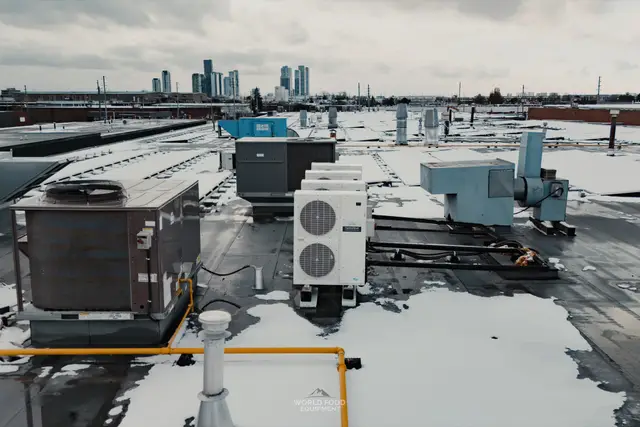
Ontario grocery walk-ins and grocery store fridge installations fall under Public Health inspection for ready-to-eat product handling, plus CFIA inspection for federally registered meat, dairy, and poultry operations. Our installs are spec'd to current Ontario Food Premises Regulation requirements: NSF-certified panels, sealed-seam or floorless installation, accurate thermometer placement at the warmest cabinet point, separation of raw meat from RTE storage per Health Canada guidance. We file electrical and refrigeration permits, coordinate inspection, and meet the inspector on site.

Fig. 05 · Operator FAQ

Questions grocery
operators ask first.

01

How long does a grocery walk-in cooler install take?

A multi-zone walk-in with 3 rooms typically takes 7-12 business days from start of panel work to commissioning, depending on site readiness and refrigeration complexity. Phased installs around store hours add 2-4 days. For replacement of an existing unit in an operating store, we plan around your slowest sales day for the cutover. We don't shut the floor.
02

Can WFE integrate a new walk-in with our existing display refrigeration?

Yes. We coordinate with whoever installed your display fixtures, or with the manufacturer's installer, to make sure the temperature curves and refrigeration loads work as a system. Most of our grocery installs are retrofits into operations with existing display cases, so this is routine work for our crews.
03

What's the difference between self-contained and remote refrigeration for grocery walk-ins?

Self-contained mounts the compressor on top of the walk-in. Simpler, cheaper to install, but dumps heat and noise into your backroom. Remote condensing puts the compressor outside or in a mechanical room. Costs more upfront but reduces your HVAC load, lowers noise, and extends compressor life. For a grocery operation running 24/7, that is usually the better long-term call.
04

Do you handle CFIA-registered grocery operations (federal inspection)?

Yes. CFIA-registered meat, poultry, and dairy operations have stricter equipment, layout, and documentation requirements than provincial inspection. We've done CFIA-spec walk-ins and we know what the inspectors look for. If you're moving from provincial to federal, we'll spec the upgrade path so the install passes first time.
05

Can a walk-in be added to a grocery store without closing for the install?

Yes, in most cases. About 80% of our grocery installs are phased around operating hours: overnight panel sets, weekend refrigeration tie-ins, temporary cold storage trailers for inventory if needed. The exception is full backroom reconfigurations where we recommend a 2-3 day closure for safety and speed. We'll tell you which approach fits your project before quoting.
06

What if my walk-in fails after hours?

WFE coordinates same-day supermarket refrigeration repair and grocery store cooler repair diagnostics across Ontario, then routes the on-site work to a refrigeration repair partner network. We install; our partner repairs. For grocery operators especially, we recommend the remote monitoring package: high-temp alarms text the manager and dispatch a tech before product is lost overnight. On a critical-cold-chain failure we'll also scope a temporary cold storage trailer so inventory doesn't move into the danger zone. See our walk-in cooler repair-or-replace page for the full diagnostic framework.
07

Do you build cold storage for convenience stores?

Yes. Convenience-store cold storage is a different scale than supermarket or independent grocery: typically a single walk-in cooler for convenience store beer and dairy plus a smaller convenience store freezer for ice cream and frozen snacks. We supply and install walk-in coolers and freezers for convenience stores across Ontario. Reach-in display fixtures (the glass-door coolers along the back wall) are a separate category. We coordinate with the display-fixture supplier on integrated builds.

Free Quote — No Obligation

Get a Quote
Within 24 Hours.

Tell us what you need. One of our senior project advisors will personally review your requirements and respond within one business day, with a ballpark number, not a runaround.

Free Site Assessment

We visit your location and measure. No assumptions, no surprises.

In-House Crews Only

Our long-tenured in-house team does the install. No third-party subcontractors.

Custom-Designed to Your Floor Plan

Every unit engineered to your exact dimensions, not pulled from a catalog.

Prefer to talk? Call us directly:

(905) 565-0291

Tell us about your project

We respond within 24 hours. No spam, no sales pressure.

Call Now Free Quote